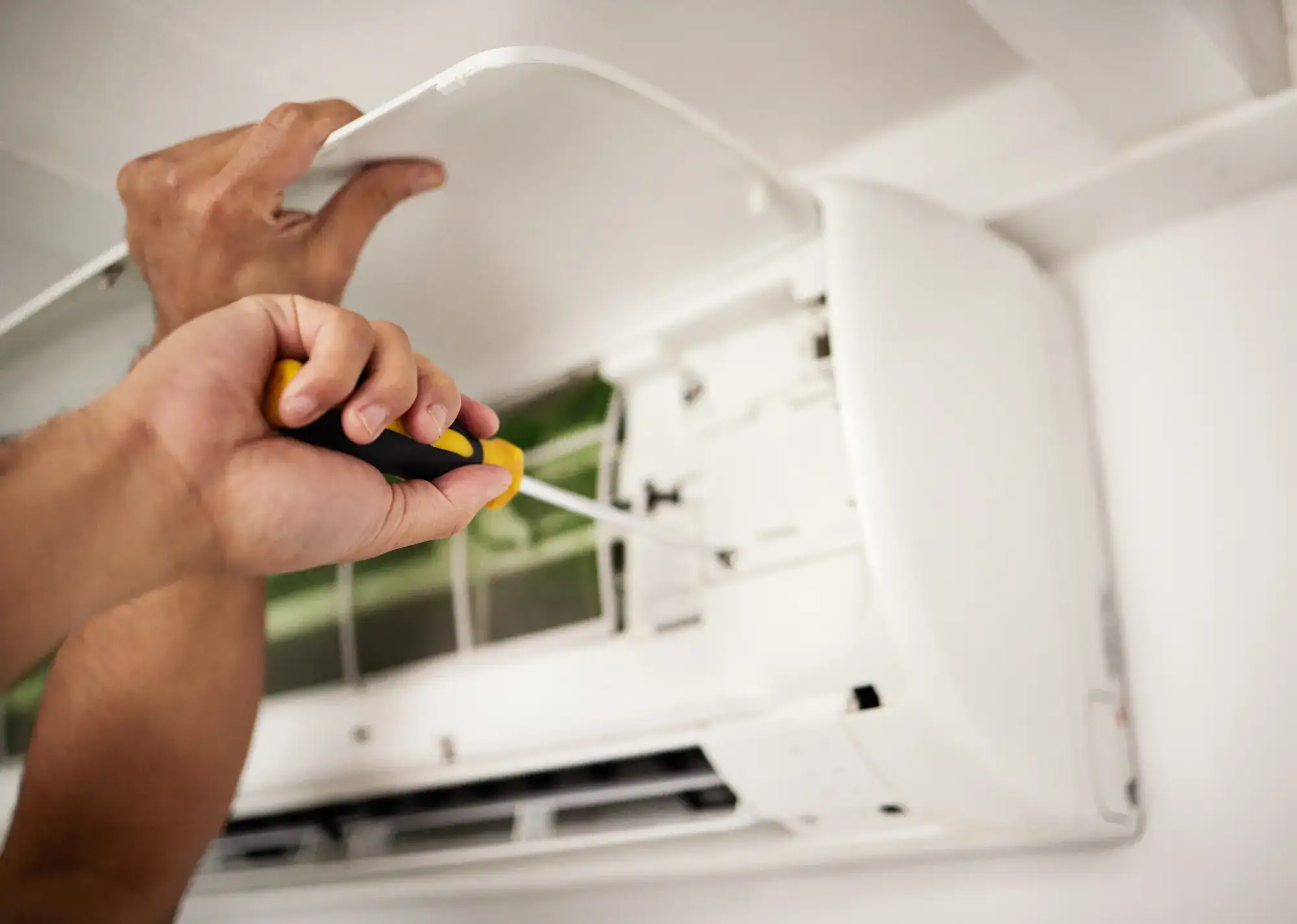
Don't wait for your boiler to fail completely. Recognize these warning signs that indicate your Bergen County home needs professional boiler repair before winter strikes.
Share:
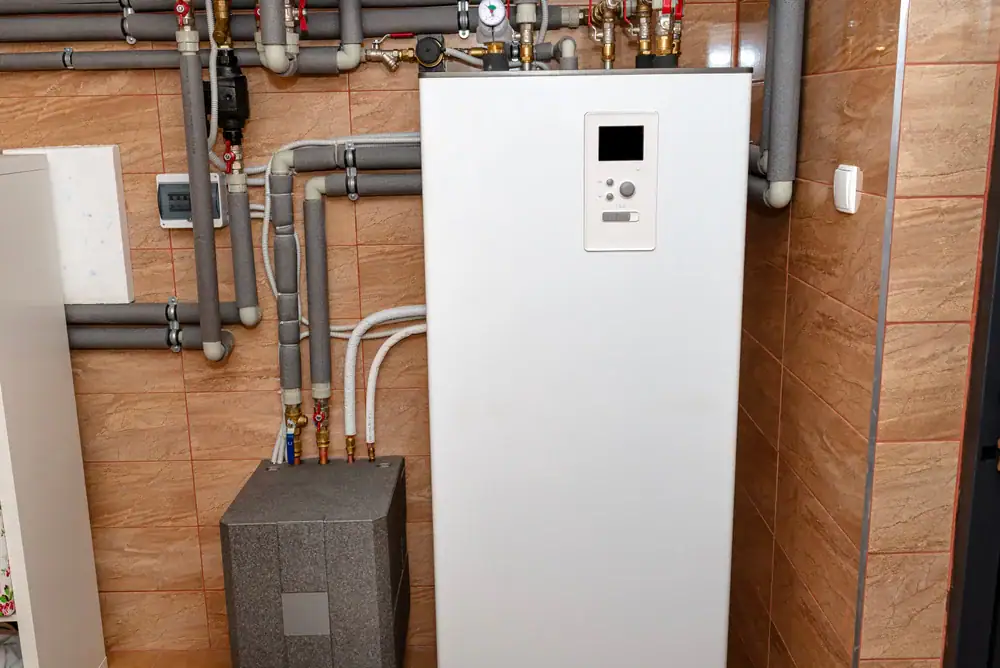
Summary:
Your boiler should run relatively quietly. When it starts making unusual sounds, it’s sending you a clear message that something needs professional attention.
Banging, clunking, or hissing noises often indicate trapped air in the system, mineral buildup, or component issues that need immediate repair. These sounds typically get worse over time and can signal problems with the circulating pump, pressure issues, or sediment buildup on the tank bottom.
Don’t ignore these warning sounds. What starts as minor noise can quickly escalate into major component failure, leaving you without heat when Bergen County temperatures drop.
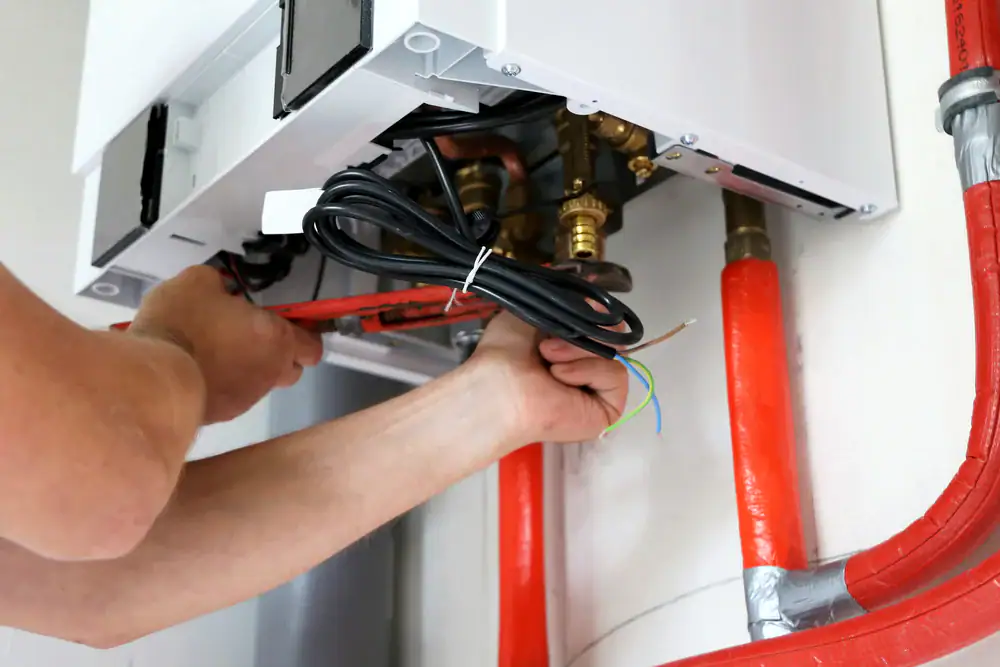
Each type of noise your boiler makes tells a specific story about what’s happening inside your system. Understanding these sounds helps you communicate effectively with your repair technician and gauge the urgency of the situation.
Banging or knocking sounds, often called “kettling,” usually indicate mineral buildup on the heat exchanger. This forces your boiler to work harder and less efficiently, driving up your energy bills while reducing system lifespan. The buildup acts like an insulating layer, preventing proper heat transfer and causing hot spots that create the banging noise.
Gurgling or bubbling sounds typically point to trapped air in your radiators or pipes. While this might seem minor, trapped air prevents proper circulation and creates uneven heating throughout your home. You might notice some rooms staying cold while others get too hot.
Whistling or high-pitched squealing often indicates pressure problems or issues with safety valves. These sounds shouldn’t be ignored, as pressure-related problems can pose safety risks and lead to system damage if left unaddressed.
Hissing sounds might signal steam leaks or pressure relief valve issues. Any hissing accompanied by visible steam or moisture requires immediate professional attention to prevent water damage and ensure safe operation.
While some boiler sounds indicate routine maintenance needs, others signal emergencies that require immediate professional intervention. Knowing the difference helps you respond appropriately and protect your Bergen County home.
Any loud banging that shakes pipes or radiators needs emergency attention. This level of noise suggests severe pressure issues or component failure that could damage your entire heating system. Similarly, continuous hissing accompanied by visible steam or rapidly increasing water around your boiler indicates active leaks that need immediate repair.
Grinding or scraping sounds from the boiler itself often mean mechanical components are failing. These sounds typically get progressively worse and can lead to complete system shutdown if ignored. The sooner you address grinding noises, the more likely you can repair rather than replace expensive components.
If you hear any gas-related sounds – like hissing near gas connections or unusual sounds from the burner – shut off your boiler immediately and call for emergency service. Gas-related issues pose serious safety risks and require professional expertise to resolve safely.
Strange electrical sounds, such as repeated clicking, buzzing, or humming from control panels, can indicate electrical problems that might prevent your boiler from operating safely. These issues often worsen quickly and can leave you without heat during the coldest Bergen County nights.
Want live answers?
Connect with a Super Plumbing Heating & Cooling expert for fast, friendly support.
When your boiler can’t maintain consistent temperatures throughout your home, it’s struggling to do its primary job. This warning sign often develops gradually, making it easy to dismiss as normal aging.
Uneven heating patterns – where some rooms stay cold while others get too warm – indicate circulation problems, trapped air, or failing components. Your boiler might be working harder to compensate, driving up energy costs while providing inadequate comfort.
If you’re constantly adjusting your thermostat or notice significant temperature swings, your boiler needs professional diagnosis to restore reliable, efficient operation.
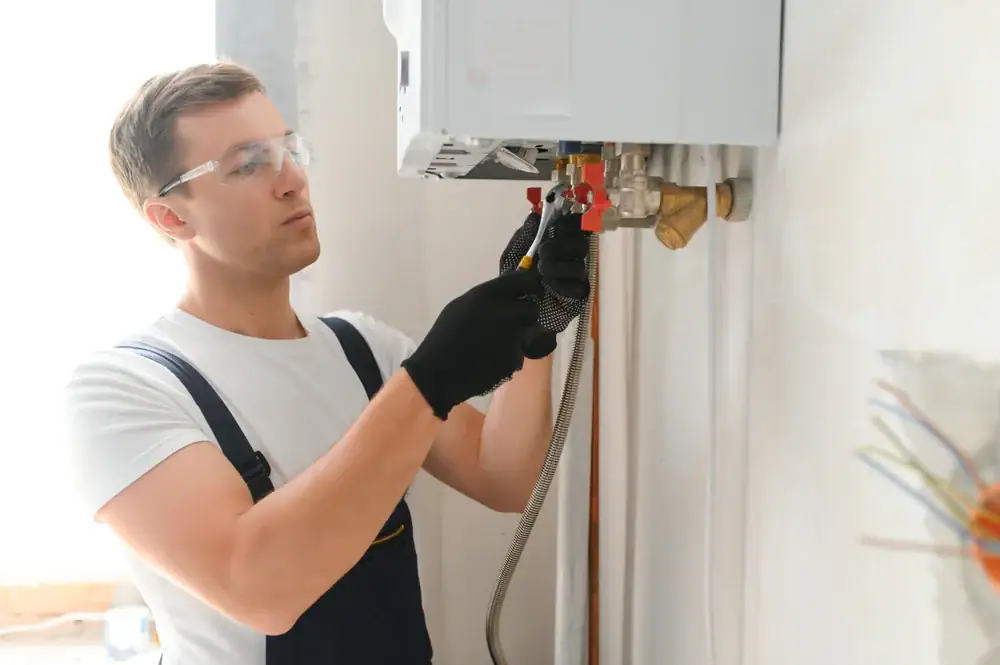
Uneven heating in your Bergen County home usually stems from circulation issues within your boiler system. Understanding these problems helps you recognize when professional repair is necessary versus simple maintenance adjustments you might handle yourself.
Trapped air in radiators or baseboard heating prevents proper water circulation, creating cold spots while other areas overheat. This problem often develops after system maintenance or when water levels fluctuate. While bleeding radiators can sometimes resolve minor air issues, persistent problems indicate larger circulation issues that need professional attention.
Failing circulating pumps can’t move heated water effectively through your system. You might notice that heating improves when the system first starts but becomes uneven as the pump struggles. Pump problems typically worsen over time and eventually lead to complete heating failure if not addressed.
Partially blocked pipes or heat exchangers reduce water flow to specific areas of your home. This blockage might result from mineral buildup, corrosion, or debris in the system. Professional cleaning and system flushing can often restore proper circulation, but severe blockages might require component replacement.
Thermostat problems can also create uneven heating patterns. If your thermostat location receives direct sunlight, drafts, or heat from other sources, it might not accurately read your home’s temperature. This causes the boiler to cycle on and off inappropriately, creating temperature swings and uneven comfort.
Zone valve failures in multi-zone systems prevent proper heat distribution to specific areas. You might notice that certain zones never reach desired temperatures or take much longer to heat up than others.
When your boiler starts working harder to maintain the same comfort level, you’ll notice the impact on your energy bills. This efficiency loss often happens gradually, making it easy to attribute higher bills to rate increases or weather changes.
However, sudden spikes in heating costs usually indicate your boiler is struggling with internal problems. Mineral buildup, failing components, or air infiltration force your system to run longer cycles to achieve desired temperatures. This extended runtime directly translates to higher energy consumption and increased utility bills.
Professional boiler maintenance and timely repairs restore efficiency and can significantly reduce your monthly heating costs. Modern boiler systems should maintain consistent efficiency ratings throughout their lifespan when properly maintained.
Ignoring efficiency loss doesn’t just cost money – it often indicates problems that will lead to complete system failure if left unaddressed. Early intervention through professional service typically costs far less than emergency repairs or full system replacement.
Bergen County’s cold winters mean your boiler works hard for several months each year. Maintaining peak efficiency protects both your comfort and your budget while extending your system’s operational life.
The warning signs we’ve covered – strange noises, uneven heating, and rising energy costs – are your boiler’s way of asking for help before it’s too late. Addressing these issues promptly saves money, prevents emergency breakdowns, and keeps your Bergen County home comfortable through winter.
Professional boiler service identifies problems early and provides solutions that restore reliable operation. Regular maintenance prevents many common issues while extending your system’s lifespan and maintaining energy efficiency.
When you notice these warning signs, contact Super Plumbing Heating & Cooling LLC for expert diagnosis and repair. Your boiler has served you well – now it’s time to return the favor with the professional attention it needs.
Article details:
Share:
Continue learning: